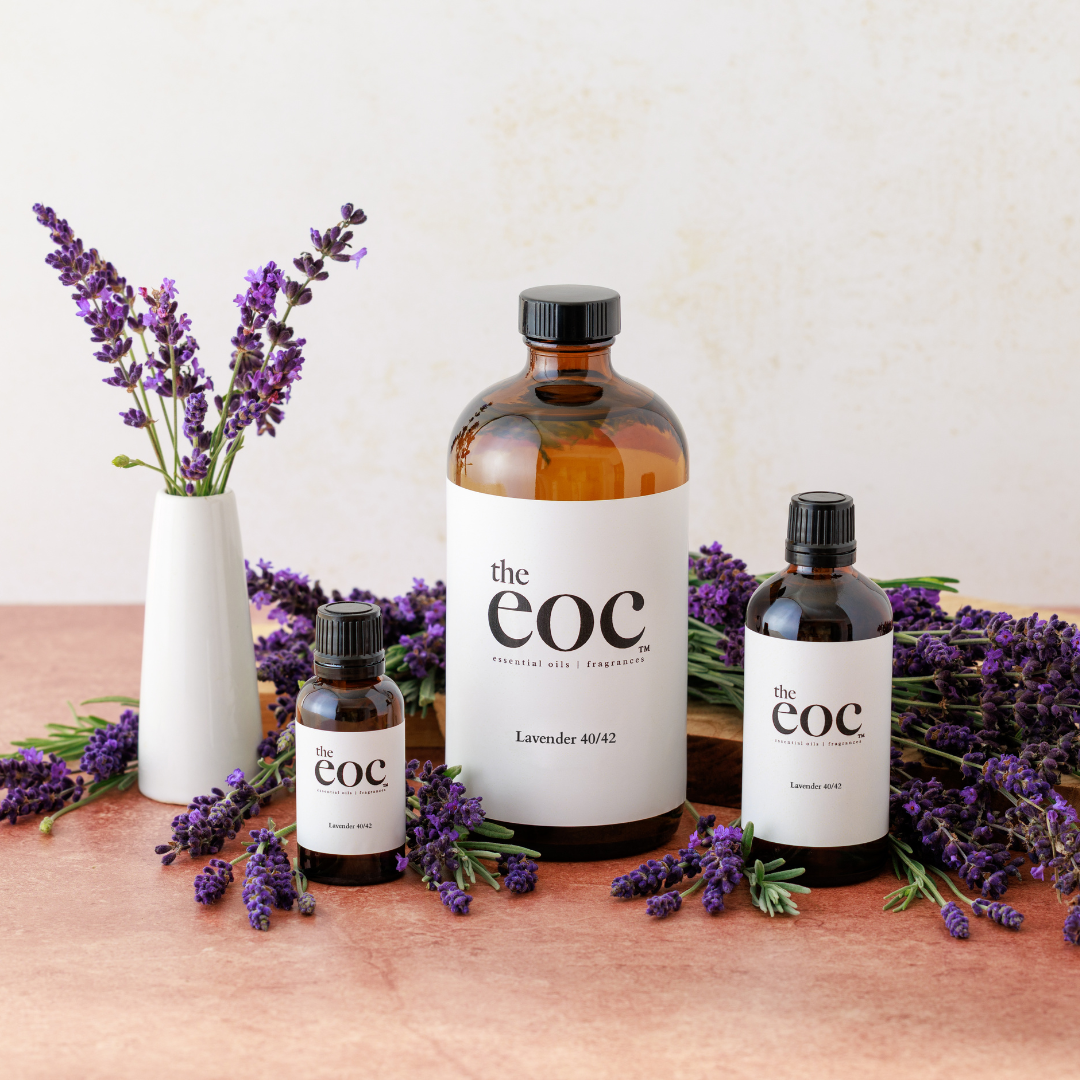


The growing conditions of Lavender plants contribute to the quality and quantity of essential oil that can be extracted from them. Factors such as the harvest season, climate, humidity, ground moisture, elevation, and sun exposure can affect the quality of the finished essential oil, and not all plants will thrive equally in the same environment.
Lavender can be found growing in the Mediterranean region, Europe, Africa, the Canary Islands, the Middle East, Southwest Asia, and India.
Lavender is a flowering herb in the Lamiaceae family. It grows as a perennial plant or small shrub and typically has a productive life of around ten years, with some plants living up to twenty years.
Soil, drainage and altitude
Soil quality is a major factor in the cultivation of Lavender. The plants flourish best in dry, sandy, or rocky soils, with good drainage and full sun. They can be tolerant of heavy rain but require soil that can drain excess moisture quickly. High humidity and moisture trapped in the soil can lead to root rot.
Lavender plants can thrive in high altitudes and grow well in inclined fields. Growing Lavender at higher altitudes leads to increases in the production and accumulation of terpenes, including Linalool and Linalyl Acetate. These are the compounds which contribute to the recognizable aroma of Lavender Essential Oil.

Gravel or crushed rocks make a great growing medium for Lavender, with a pH between six and eight being ideal. Lavender requires little to no fertilizer. Some nitrogen and phosphates are the most effective, while potassium salts can easily be harmful.
From seed to field
Lavender can be started from seed but does not seed true to the parent plant. Seeds must be kept moist and at room temperature for an extended period to ensure proper germination.
Lavender seedlings and cuttings should be kept in nurseries until the plants are well established before being moved to fields. When the plants make the transition to fields, it is considered best practice to space them at least twenty inches apart with a full arm span between the rows. Lavender plants then spend the first one to three years of their life producing only a small amount of flowers before reaching maturity. The plants should still be pruned during this time to encourage growth.
The flowers of the Lavender plant can vary in shape, size, and color, but they all grow on long stems that are generally taller than the leafy foliage. Lavender Essential Oil is found in tiny glands on the outside and inside rings of flower petals, as well as a smaller amount in the leaves and stems.

When to harvest
There are several developmental stages for Lavender flowers, but the ideal harvesting time for Lavender Essential Oil occurs when the flowers are fully developed and in full bloom. At this stage, almost the entire flower head is open, with the flowers at the top of the stem burst open and flowers on the lower half beginning to open up as well. Harvesting Lavender before it reaches full maturity means that the essential oil will not reach its highest potential quality. Harvesting after full maturity, when the flowers begin to shrivel on the stem, also leads to a weaker final fragrance in the essential oil.
Essential oil yield from Lavender plants depends on the time of harvest as well as the maturity of the plant. Harvest season generally takes place between the end of July and August. The flowers must be removed on a moderately warm, clear day without too much wind to ensure that the esters are allowed to develop in the plant and to avoid oil evaporation.
When harvested by hand, Lavender flower spikes are cut from the plant using sickles or shears. When harvested by machine, harvesters are driven through blooming Lavender fields and the stems are cut while the flowers are stored in a cart for transportation. After harvest, the cut Lavender is transported to the distillation facility and the essential oil is extracted.