

What are essential oils?
Essential oils are highly concentrated aromatic compounds that naturally occur in plants. They can be extracted from plant materials such as leaves, twigs, seeds, flowers, roots, and wood.
How are essential oils extracted from plants?
Essential oils are distilled from plant materials such as leaves, twigs, seeds, flowers, roots, and wood. They may be steam distilled, hydro (water) distilled, or water/steam distilled. Citrus essential oils are usually cold-pressed, except for lime oil, which is steam distilled. CO2 extraction is a method used to extract essential oils from materials that do not tolerate steam extraction. Absolutes are solvent-extracted oils, a common method for fragile or low-yield materials. For more information, visit Distilling Essential Oils.
Are essential oils different from fragrance oils?
Fragrance oils are a synthetic mix of components used to create a particular scent. They can be created using natural ingredients, like essential oils, as well as artificial aroma chemicals and other materials. Essential oils are naturally occurring oils distilled from plant materials.
What is aromatherapy?
Aromatherapy is the practice of inhaling the scent of essential oils and other natural aromatics.
What is a good way to use essential oils for aromatherapy?
Diffusing essential oils is a common method that disperses the oils around a room or area to spread the aroma. There are several types of diffusing methods and devices that can be used. Ultrasonic diffusers are popular devices that use water and ultrasonic waves to diffuse essential oils, and they come in an array of different shapes and sizes.
Can essential oils be used topically?
Essential oils can be used topically, but they must first be diluted with a carrier oil. Applying undiluted essential oils to the skin may cause irritation. A 5% dilution rate is recommended for most essential oils. Some essential oils may cause skin sensitivity when exposed to sunlight. Always do a patch test before applying a new essential oil topically for the first time.
What are carrier oils?
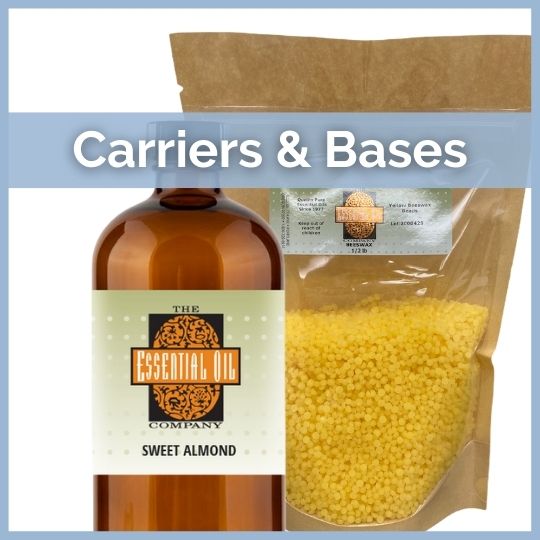
Carrier oils, sometimes called vegetable oils, are fatty oils that can be used to dilute essential oils for topical application. Carrier oils are often extracted from the fatty areas of plants such as nuts and seeds. Fractionated coconut oil, argan oil, sweet almond oil, olive oil, and jojoba oil are examples of carrier oils.
Can essential oils be used for soap making?
Essential oils can be used in soap making, including cold process, hot process, and melt & pour techniques. Using essential oils can add a beautiful natural fragrance. For more information, visit Using Essential Oils for Soap Making.
How should essential oils be stored?
Essential oils should be stored in a cool, dry area away from sunlight, preferably in an amber-colored glass bottle to further protect them from light. Essential oils should always be kept out of reach of children and pets.
How long do essential oils last?
Essential oils do not go rancid, but they can oxidize and deteriorate, and their aromatic quality can decrease. Most essential oils will last for 2 years or more with proper care.
Can different essential oils be combined?
Essential oils can be great when used individually, but they can also be combined. Essential oil blends create complex aromas. A good guideline for creating your own blends is to have a combination of around 30% top notes, 50% middle notes, and 20% base notes.